Following the 2026 FIFA World Cup, a significant movement is gaining traction among NFL players and coaches advocating for a permanent shift from artificial turf to natural grass playing surfaces in NFL stadiums. This push is largely driven by the direct comparison between the high-quality natural grass pitches mandated by FIFA for the World Cup and the standard NFL surfaces, many of which are artificial turf.
Key Takeaways from the Post-World Cup Field Debate
- An overwhelming 92% of NFL players prefer natural grass over synthetic surfaces, citing player safety and feel.
- Seven NFL stadiums successfully converted to natural grass for the World Cup, demonstrating the feasibility of year-round grass fields.
- High-profile players like George Kittle and Caleb Williams are vocal advocates for permanent grass fields.
- The NFL Players Association (NFLPA) has launched the “#WorthTheCost” campaign, urging universal adoption of natural grass.
- While the NFL cites recent data showing no significant difference in injury rates, older data and player testimonies suggest otherwise.
Player Preference and Safety Concerns Drive the Debate
The preference for natural grass among NFL players is not new, but it has intensified significantly after the 2026 FIFA World Cup. A survey conducted by the NFL Players Association (NFLPA) revealed that a striking 92% of polled players favor natural grass over synthetic surfaces. This strong preference is primarily rooted in player safety concerns and the perceived impact on their bodies.
Players consistently report feeling better after playing on natural grass, attributing fewer aches and pains to the softer, more forgiving surface. While the NFL has maintained that recent data doesn’t show a significant difference in injury rates between turf and grass, older NFL injury data from 2012-2018 found a 28% higher rate of non-contact lower extremity injuries and a 69% higher likelihood of non-contact foot and ankle injuries on artificial turf compared to natural grass. MetLife Stadium’s turf, in particular, has faced scrutiny due to numerous player injuries, further fueling the debate.
World Cup Proves Feasibility of Natural Grass in NFL Stadiums
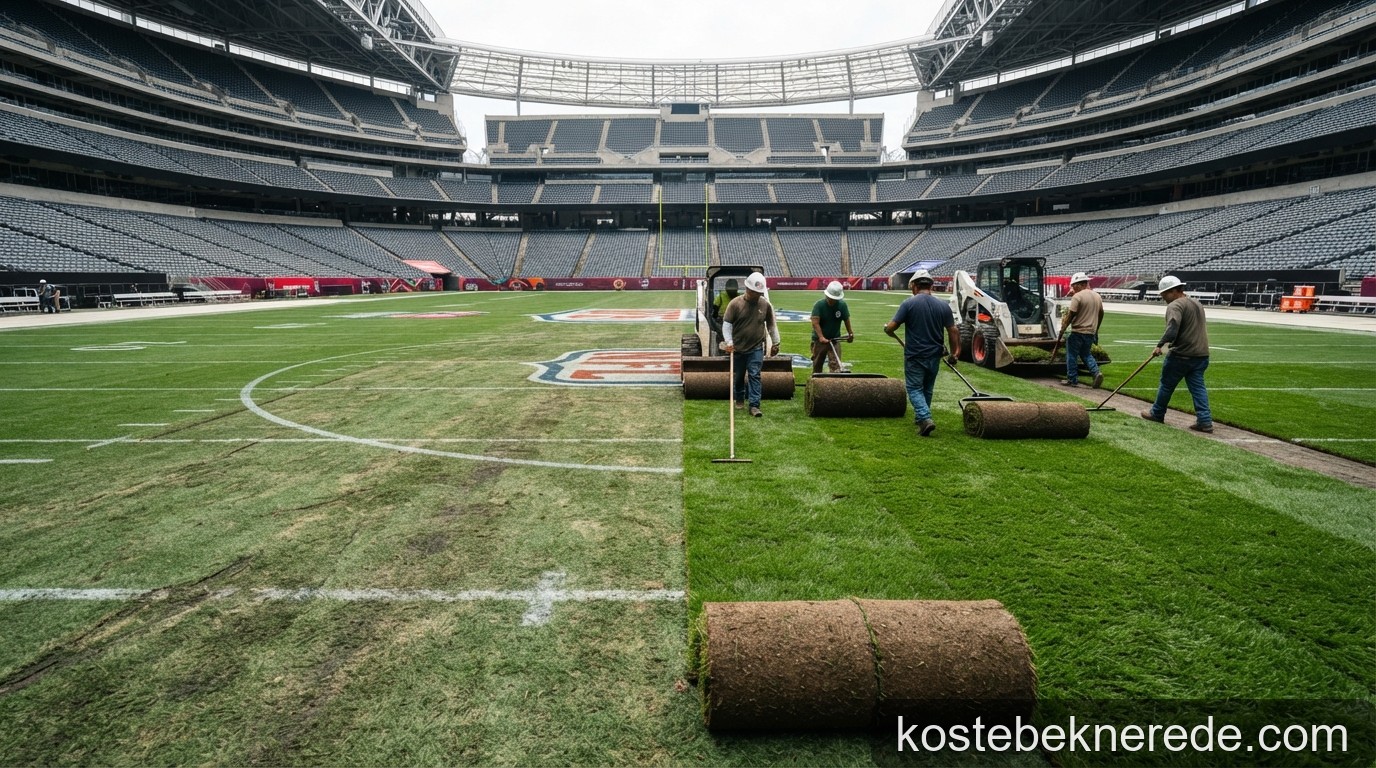
One of the most compelling arguments for a permanent switch to natural grass comes directly from the World Cup experience. Seven NFL stadiums that typically use artificial turf—including MetLife Stadium, SoFi Stadium, AT&T Stadium, Gillette Stadium, Lumen Field, Mercedes-Benz Stadium, and NRG Stadium—temporarily installed natural grass to meet FIFA’s stringent World Cup requirements. This temporary conversion was a massive undertaking, involving weeks of work, numerous truckloads of grass, and the installation of complex irrigation and ventilation systems.
The successful implementation and maintenance of these high-quality natural grass pitches for a major international tournament have been cited by players and the NFLPA as irrefutable proof that installing and maintaining natural grass year-round is feasible if team owners are willing to invest the necessary resources. FIFA itself spent millions to ensure consistent, natural grass surfaces across all World Cup stadiums, setting a new standard for playing conditions.
Player Advocacy and the NFLPA’s “#WorthTheCost” Campaign
The post-World Cup push for natural grass is being amplified by vocal advocacy from high-profile NFL players. San Francisco 49ers tight end George Kittle, for instance, has been particularly outspoken, using social media platforms during and after the World Cup to call for permanent grass fields. Other prominent players, including Caleb Williams, Laremy Tunsil, Jonathan Taylor, and Jaxson Dart, have also publicly joined the chorus advocating for the change.
The NFLPA has taken a leading role in this movement, launching the “#WorthTheCost” campaign. This initiative directly urges team owners and the league to prioritize player safety by adopting natural grass fields universally. The NFLPA has been advocating for this change for at least three years, but the World Cup’s demonstration of feasibility has given their campaign new momentum and a powerful real-world example to leverage.
The Financial and Logistical Hurdles for NFL Owners
While the benefits of natural grass for player safety and performance are widely acknowledged by players, the financial and logistical implications for NFL team owners are significant. Converting from artificial turf to natural grass is a substantial undertaking, requiring considerable resources for both initial installation and ongoing maintenance. For example, the MetLife Stadium conversion for the World Cup involved weeks of work and a complex setup, indicating the scale of investment required.
The cost of installing and maintaining natural grass fields year-round, especially in diverse climates and stadium types (e.g., indoor vs. outdoor), presents a challenge. Owners must weigh these costs against the potential impact on hosting non-football events, which often rely on the versatility of artificial turf. As of July 2026, approximately half of the NFL’s 30 stadiums use natural grass, while the other half use artificial turf, highlighting the divided landscape.
What This Means for NFL Fans and the Future of the Game
For NFL fans, the outcome of this debate could have significant implications for the quality of play and player health. A league-wide transition to natural grass could potentially lead to fewer non-contact injuries, allowing star players to stay on the field longer and perform at their best. The aesthetic and traditional appeal of natural grass also resonates with many long-time football enthusiasts.
The ongoing discussion between the NFL, the NFLPA, and team owners will likely intensify, especially as the current Collective Bargaining Agreement (CBA) runs through 2030, making playing surfaces a potential key issue in future negotiations. Fans can expect to see continued advocacy from players and the NFLPA, pushing for a change that they believe is essential for the well-being of the athletes and the integrity of the game.
参考资料
- cbssports.com
- worldplayersassociation.com
- forbes.com
- latimes.com
- realgm.com
- profootballnetwork.com
- si.com
- foxsportsradionewjersey.com
- youtube.com
- as.com
- wikipedia.org
- facebook.com
About the Author