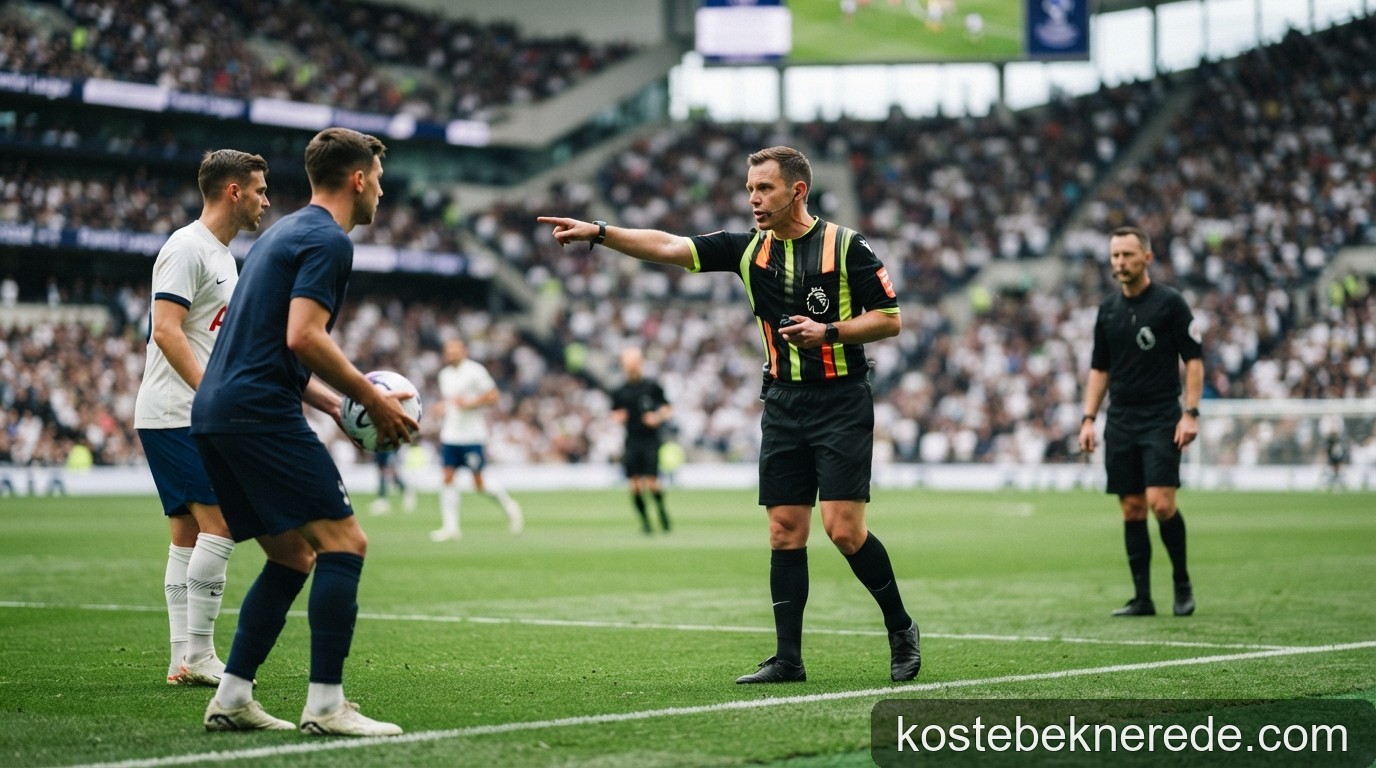
The Premier League season, set to kick off on August 21, 2026, will introduce several significant rule changes directly influenced by mandates from the 2026 FIFA World Cup. These alterations are designed to increase effective playing time, reduce time-wasting, and enhance the overall tempo of matches, fundamentally reshaping how games are officiated and played.
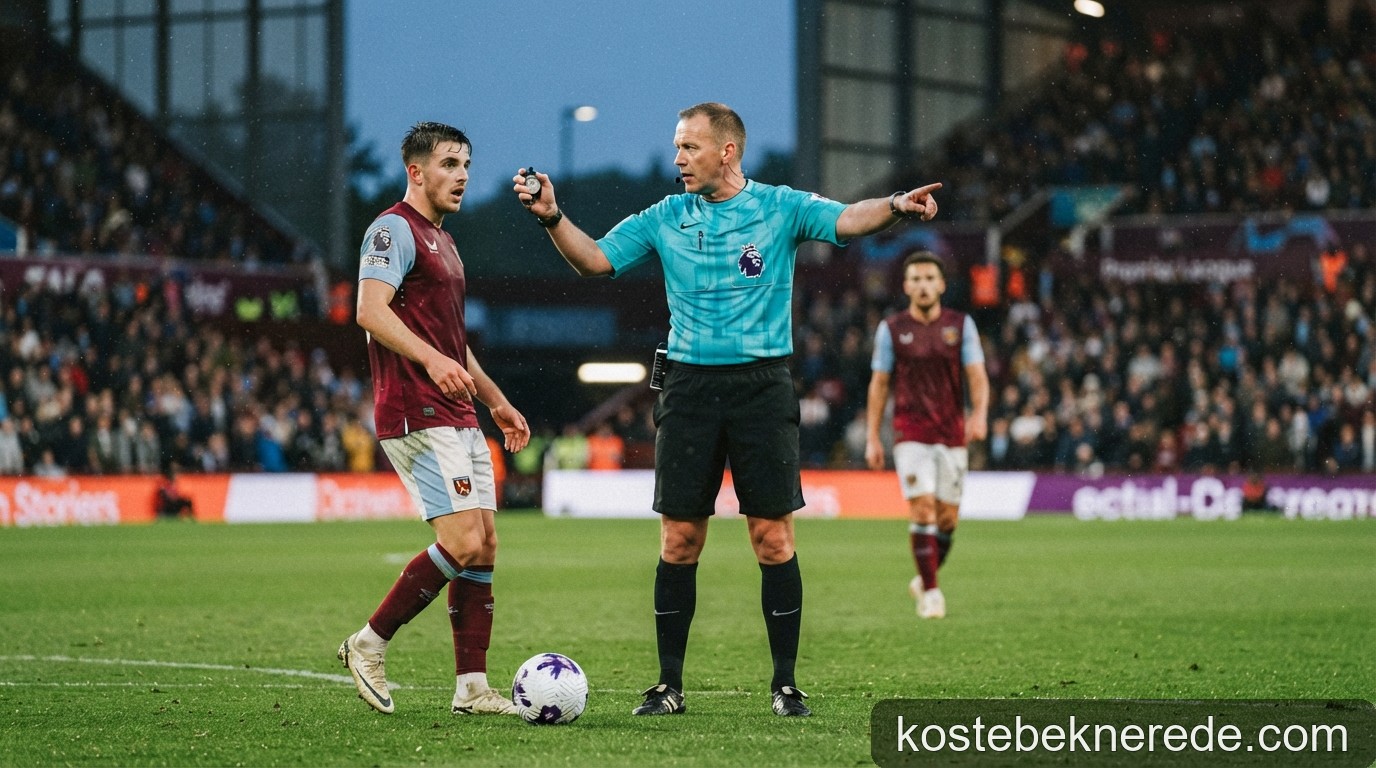
Key Rule Changes for 2026/27
- 1-Minute Injury Rule: Players receiving on-field treatment must leave the field for at least one minute after play restarts.
- 5-Second Restart Countdown: Referees will initiate a visual countdown for delayed throw-ins and goal-kicks, with possession reversed if not taken within five seconds.
- 10-Second Substitution Limit: Substituted players must exit the field within 10 seconds at the nearest point, or the team will temporarily play with 10 men.
- VAR for Second Yellow Cards: VAR will now be permitted to review red cards resulting from a clearly incorrect second yellow card.
- Goalkeeper Injury Trial: If play stops for a goalkeeper injury, an outfield player must be nominated to leave the pitch for at least one minute after play restarts.
The Push for Faster Play: 1-Minute Injury Rule and 5-Second Countdown
Two of the most impactful changes for the 2026/27 Premier League season are the new 1-minute injury rule and the 5-second restart countdown. The 1-minute injury rule mandates that players who receive on-field treatment or assessment for an injury must leave the field for at least one minute after play restarts. This is an increase from the previous 30-second period used by the Premier League and is designed to discourage players from feigning injury to waste time and encourage a quicker return to play.
Exceptions may apply for goalkeepers, severe injuries, or situations where the offending player receives a card.
Complementing this, a five-second visual countdown will be initiated by the referee for delayed throw-ins and goal-kicks. If the ball is not put back into play within this timeframe, possession will be reversed: an opposing team’s throw-in will be awarded for a delayed throw-in, and a corner kick will be awarded to the opposing team for a delayed goal-kick. This measure directly targets deliberate delays in restarting play, a common tactic used to disrupt momentum or run down the clock.
Streamlining Substitutions and VAR’s Evolving Role
Another significant change aimed at reducing time-wasting involves substitutions. Substituted players must now leave the field within 10 seconds at the nearest available point. Failure to do so will result in the substitute being unable to enter the pitch until the first stoppage in play after one minute has elapsed, forcing the team to play with 10 men temporarily. This rule is intended to prevent players and managers from using substitutions as a time-wasting tactic, ensuring a more fluid game.
The role of Video Assistant Referee (VAR) is also evolving. For the 2026/27 season, VAR will now be permitted to review red cards that arise from a clearly incorrect second yellow card. This adjustment aims to rectify clear and obvious errors in critical moments, potentially preventing unjust dismissals that could significantly impact match outcomes.
The Premier League will continue to maintain a high threshold for penalizing challenges and VAR intervention, with the “Referee’s Call” standing unless there is a clear and obvious error. There will also be a focus on more efficient VAR application, including the improved use of semi-automated offside technology, to reduce delays.
Goalkeeper Injury Trial and Broader Refereeing Directives
A notable trial will be implemented for the 2026/27 season concerning goalkeeper injuries. If play is stopped due to a goalkeeper injury, the manager must nominate an outfield player to leave the pitch immediately. This nominated player must remain off the field for at least one minute after play restarts. This trial is designed to address instances where goalkeeper injuries have been used to disrupt momentum or for tactical instruction, ensuring fairness and continuity of play.
Beyond these specific rule changes, the Premier League will continue to emphasize consistent refereeing directives. This includes maintaining a high threshold for penalizing challenges and VAR intervention, ensuring that the “Referee’s Call” stands unless there is a clear and obvious error. The focus remains on efficient VAR application, including the improved use of semi-automated offside technology, to minimize delays and maintain the flow of the game.
What These Changes Mean for Fans and Teams
These new rules represent a concerted effort to address the growing problem of time-wasting and frequent disruptions in English football. For fans, the expectation is a faster-paced game with more effective playing time and fewer frustrating stoppages. The increased penalties for delaying restarts and substitutions aim to deter tactical time-wasting, potentially leading to more dynamic and exciting matches.
For teams and managers, these changes will necessitate adjustments in strategy, particularly regarding injury management, substitution timing, and set-piece execution. The consistent application of these rules by referees will be crucial to their success and acceptance by players and supporters alike, shaping the competitive landscape of the Premier League for the upcoming season and beyond.
参考资料
- indiatimes.com
- si.com
- dazn.com
- jagranjosh.com
- sportbible.com
- youtube.com
- youtube.com
- premierleague.com
- nottinghamforest.co.uk
- liverpoolfc.com
- mancity.com
- onnj.com
About the Author