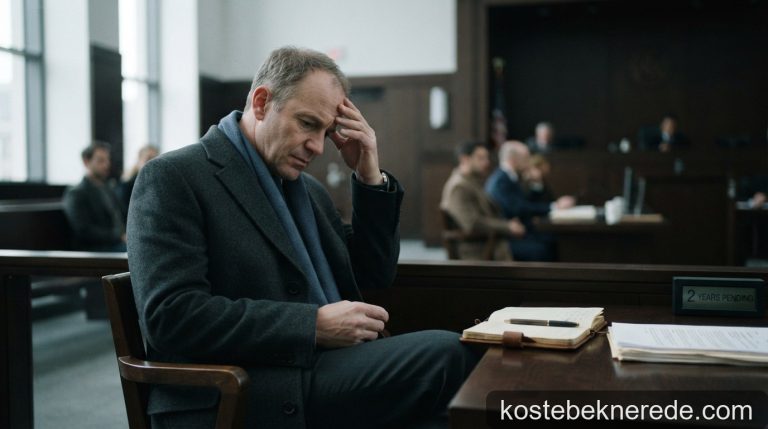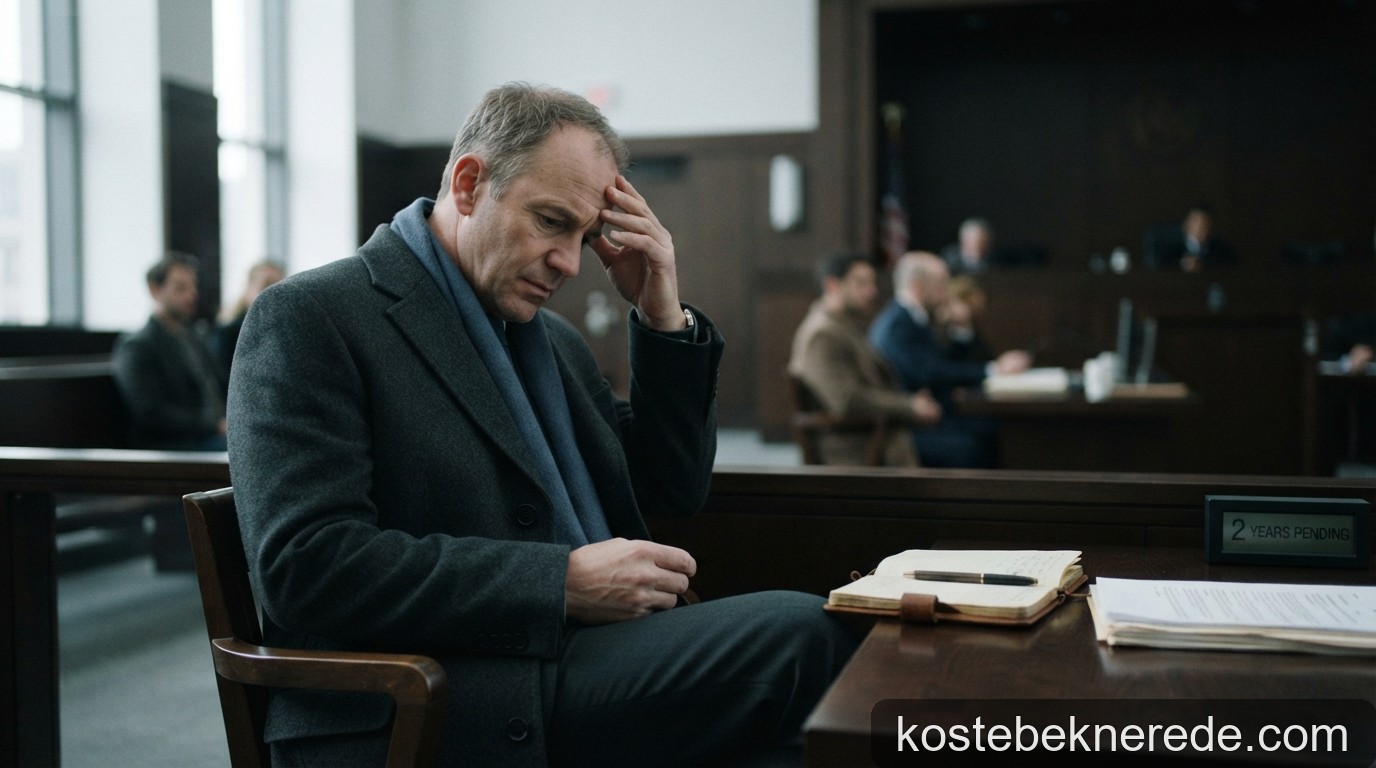
As September 2026 marks two years since the independent commission hearing commenced regarding the Premier League’s 115 charges against Manchester City, the football world continues to await a verdict. This prolonged silence has fueled widespread frustration among fans, clubs, and legal observers, prompting serious concerns about the efficacy and integrity of the Premier League’s enforcement mechanisms.
Key Takeaways from the Ongoing Delay
- The independent commission hearing, which began in September 2024, concluded in December 2024 after 12 weeks of private sessions.
- Manchester City vehemently denies all 115 charges, maintaining they have irrefutable evidence of compliance.
- The delay is attributed to the “exceptional scale” and “intricate challenge” of evaluating extensive financial documentation and arguments.
- Premier League CEO Richard Masters acknowledged the process has taken longer than expected but offered no timeline for a decision.
- Potential sanctions for Manchester City, if found liable, range from significant points deductions to relegation.
The Genesis of the Charges: A Decade of Scrutiny
The saga began in February 2023 when the Premier League formally accused Manchester City of 115 alleged breaches of its financial rules. These charges primarily span a period from 2009 to 2018 and relate to alleged failures in providing accurate financial information. Specifically, the allegations concern revenue, including sponsorship, related parties, and operating costs.
Furthermore, Manchester City faces accusations of failing to cooperate with the Premier League’s investigation, which commenced in December 2018.
Manchester City has consistently and robustly denied all allegations. The club asserts that it possesses a comprehensive body of “irrefutable evidence” to support its innocence and that it fully complied with all financial regulations throughout the period in question.
The Hearing and the Unprecedented Silence
The independent commission hearing officially started on September 16, 2024, and concluded in December 2024. This intensive 12-week session, held privately in London, involved an extensive examination of evidence that spanned nearly a decade of the club’s financial activities. The independent panel, comprising three senior individuals, was tasked with sifting through a massive volume of arguments and financial documentation.
Despite the hearing concluding almost two years ago, the verdict remains unannounced. This unprecedented delay has led to significant speculation and growing impatience within the football community. Premier League Chief Executive Richard Masters publicly acknowledged in August 2026 that the process “has taken longer than expected” and expressed understanding for the frustration.
However, he emphasized the necessity of following the independent process and refrained from providing any indication of when a decision might be announced.
Why the Delay? The Complexity of 115 Charges
The prolonged delay in delivering a verdict is largely attributed to the “exceptional scale” and “intricate challenge” of the case. Evaluating 115 separate charges, each with its corresponding defenses, involves an immense amount of detailed financial analysis and legal interpretation. The independent panel must meticulously process a vast body of evidence, which includes extensive financial documentation and numerous arguments presented by both sides.
This complexity is a significant factor in the extended timeline, differentiating it from more straightforward financial fair play cases. The sheer volume and interconnectedness of the allegations demand a thorough and painstaking review, making a swift resolution inherently difficult.
Potential Ramifications and the Appeal Process
Should Manchester City be found liable on the most severe charges, the potential penalties are substantial. Speculation has ranged from hefty monetary fines to severe points deductions, with some estimates suggesting a deduction of 40-60 points. In the most extreme scenarios, relegation or even expulsion from the Premier League has been discussed as a possibility. Such sanctions would have profound implications for the club’s future, its standing in English football, and its commercial operations.
Regardless of the commission’s initial ruling, the losing side is widely expected to initiate a drawn-out appeal process. This appeal, likely to be heard by the Court of Arbitration for Sport (CAS), could further extend the overall timeline for a final resolution, potentially pushing it beyond the 2027/28 season. This protracted legal battle underscores the long-term uncertainty facing both Manchester City and the Premier League.
The Credibility Cost: Impact on the Premier League
The ongoing delay has had a tangible impact on the Premier League’s standing as a regulator. While Manchester City has commercially benefited from the prolonged uncertainty, the league’s reputation for swift and decisive enforcement has been questioned. The lack of a timely resolution weakens the position of potential compensation claimants and creates an environment where other clubs might feel the regulatory framework is not being applied consistently or efficiently.
This situation raises critical questions about how the Premier League can prevent similar protracted legal battles in the future and ensure its financial regulations are enforced in a manner that maintains the integrity and fairness of the competition. The ‘trial of the century’ has become a test of the league’s ability to govern effectively, and the lingering verdict continues to cast a long shadow over its credibility.
What This Means for Premier League Followers
For football enthusiasts and Premier League followers, the ongoing limbo surrounding Manchester City’s 115 charges represents a significant point of frustration and uncertainty. The lack of a verdict, two years after the hearing concluded, impacts the perceived fairness of the competition and raises questions about the future landscape of English football. While the legal complexities are undeniable, the prolonged wait highlights the need for more transparent and efficient regulatory processes within the sport.
The eventual outcome, whenever it arrives, will undoubtedly set a significant precedent for financial governance in the Premier League.
参考资料
- express.co.uk
- theesk.org
- mirror.co.uk
- sportsmole.co.uk
- readmancity.com
- sportresolutions.com
- hilldickinson.com
- si.com
- manchestereveningnews.co.uk
- goal.com
About the Author