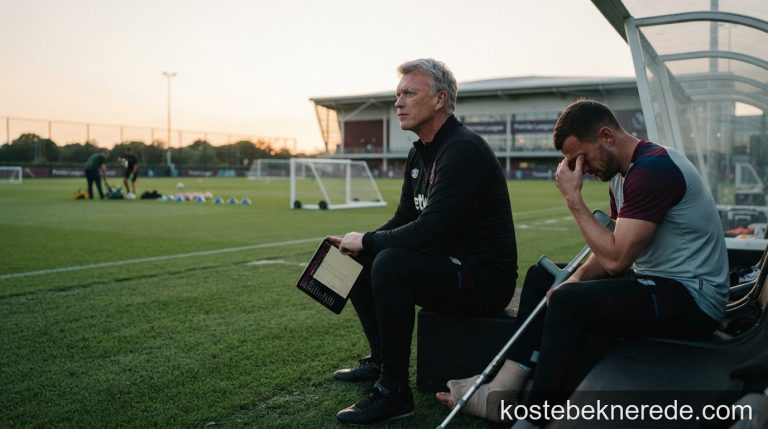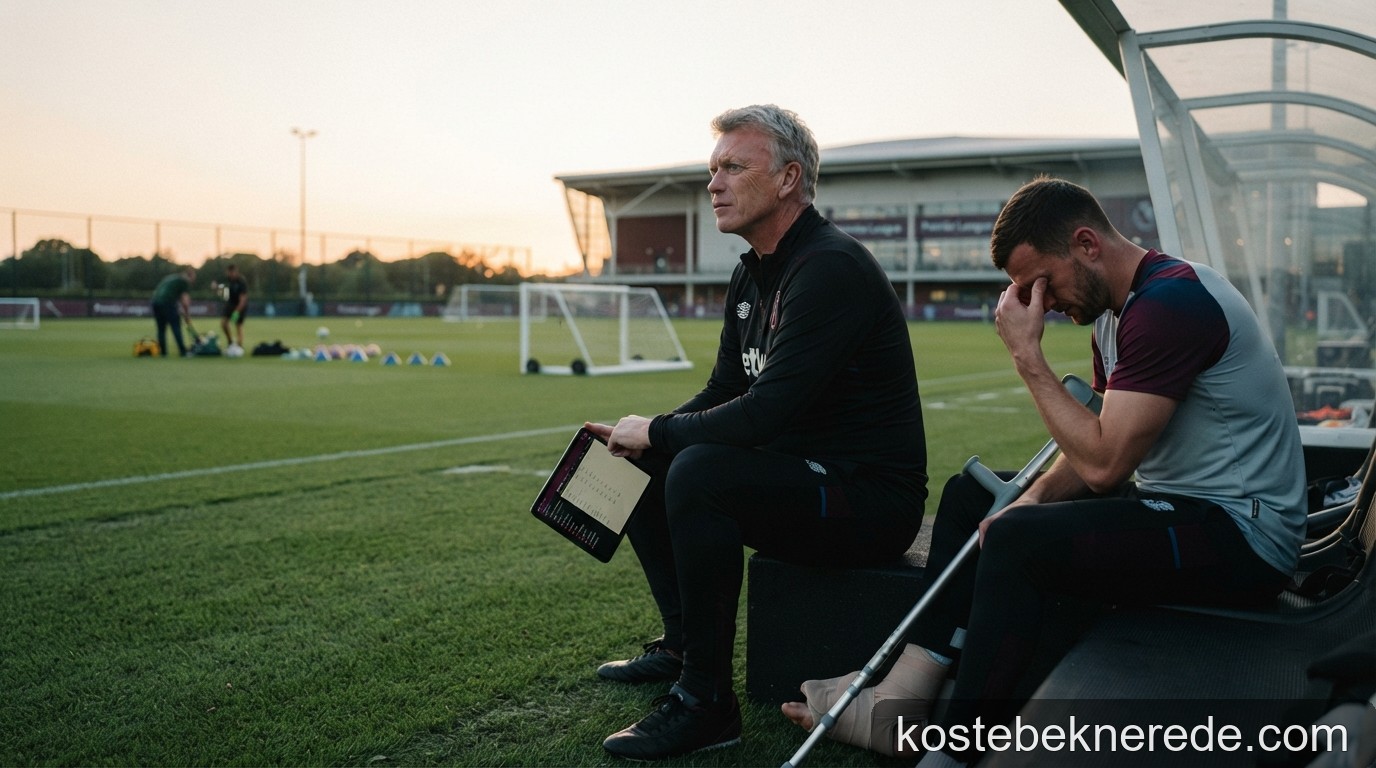
The recently concluded September-October international window has delivered a significant blow to Premier League clubs, with over 25 players returning with injuries or fitness concerns. This unprecedented injury toll, exacerbated by a new FIFA schedule allowing national teams to play up to four matches, is forcing top-flight managers to immediately reassess their squad rotation and ‘load management’ strategies as domestic action resumes.
Key Takeaways from the International Break Injury Crisis
- Over 25 Premier League players sustained injuries or returned with fitness concerns after the September-October international break.
- Clubs like Arsenal and Liverpool have been particularly affected, with key players sidelined.
- The new, extended international calendar, intended to reduce travel, has instead led to increased player workload and a higher incidence of soft-tissue injuries.
- Managers are now under pressure to implement sophisticated ‘load management’ strategies to protect their players and maintain squad depth.
- The situation has reignited debates among governing bodies and player unions regarding player welfare and the sustainability of the current football calendar.
The Unprecedented Injury Surge After the International Window
The September-October international break, which for the first time merged into a single three-week window allowing national teams to play up to four matches, has had a profound and immediate impact on Premier League squads. Instead of providing continuity, this extended period has resulted in a significant injury crisis, with more than 25 Premier League players returning to their clubs with various fitness issues.
This surge in injuries includes a range of soft-tissue problems such as hamstring strains, thigh issues, quadriceps injuries, and ankle problems.
Arsenal, for instance, has been particularly hard hit, with players like Kai Havertz (hamstring/muscle strain), Ezri Konsa (quad/thigh), Christos Tzolis (hamstring/thigh), and Max Dowman (ankle) among those affected. Liverpool also faces significant concerns, with Alexander Isak (thigh) and Cody Gakpo (hamstring/ankle) picking up issues.
Other clubs, including Manchester United, Sunderland, Bournemouth, and Brentford, are also grappling with multiple injury doubts, highlighting the widespread nature of this problem across the league.
Shifting Load Management Strategies for Premier League Managers
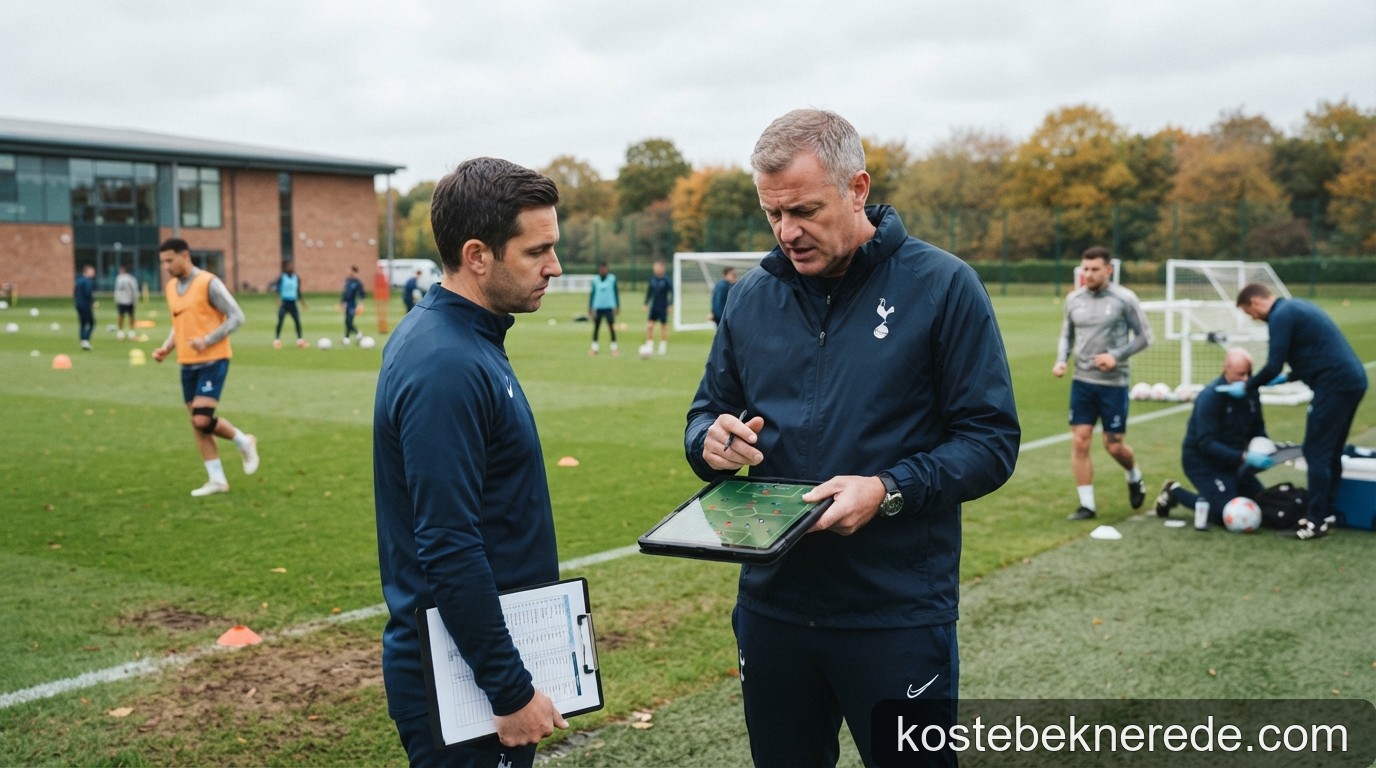
In response to this escalating injury crisis, Premier League managers are being forced to rapidly adapt their ‘load management’ strategies. Load management, a proactive approach to strategically rest athletes, aims to reduce the risk of injuries, particularly the soft tissue and muscular issues that are currently prevalent. This involves meticulous monitoring of individual player workloads, strategic squad rotation, and tailored training regimes.
The increased fixture congestion, with players often facing back-to-back high-intensity matches with fewer than five days of recovery, drastically increases the risk of such injuries, as repeatedly warned by FIFPro, the global players’ union. Managers must now balance the need for competitive performance with the imperative of player welfare, making difficult decisions about who to rest and when, especially with crucial league and European fixtures looming.
The effectiveness of these strategies will be critical in navigating the demanding schedule ahead.
Player Welfare and the Future of the International Calendar
The current injury crisis has brought player welfare to the forefront of discussions among football’s governing bodies. The new international calendar, implemented this season, was intended to streamline fixtures and reduce travel. However, its unintended consequence has been an increased workload for elite players, leading to a higher incidence of injuries and fatigue.
Some players, like Cole Palmer, are reportedly facing a third consecutive year without significant rest, underscoring the systemic nature of the problem.
European football associations have reportedly expressed dissatisfaction with the new system, citing heavy workloads, rising injury problems, and financial consequences, and are seeking a return to the old calendar. The long-term implications of this extended international window on player careers, club performance, and the overall quality of football are significant.
Addressing these concerns will require a collaborative effort from FIFA, UEFA, and domestic leagues to find a sustainable solution that prioritizes player health without compromising the integrity of international and club competitions.
The Immediate Impact on Premier League Title Races and Relegation Battles
The widespread injuries sustained during the international break are set to have an immediate and potentially decisive impact on the Premier League. Clubs with thinner squads or those heavily reliant on a few key players will feel the pinch most acutely. The absence of crucial individuals can disrupt team chemistry, force tactical changes, and ultimately affect match outcomes.
For teams at the top of the table, an injury crisis could derail title aspirations, while for those battling relegation, it could be the difference between survival and dropping down a division. Managers will need to delve deep into their squad depth, relying on fringe players and academy graduates to step up. The ability to adapt, rotate effectively, and minimize further injuries will be paramount in the coming weeks, as the Premier League season enters a critical phase where every point matters.
参考资料
- tvcnews.tv
- sportsjoe.ie
- fourfourtwo.com
- radiotimes.com
- facebook.com
- yardbarker.com
- goal.com
- dazn.com
- dazn.com
- rotowire.com
- livescore.com
- fifpro.org
About the Author