The 2026/27 football season is set to introduce a notable change to the international match calendar: a consolidated, extended September international break. This new 16-day window, running from September 21 to October 6, 2026, will see national teams play up to four matches, fundamentally altering the rhythm of club football for approximately three weeks.
Key Takeaways for the Extended September International Break
- The break will last 16 days, from September 21 to October 6, 2026.
- National teams can play a maximum of four matches during this period.
- FIFA’s rationale includes improving player welfare and reducing fixture congestion.
- Premier League and other top European clubs will experience a three-week pause in domestic football.
- This extended window is a permanent fixture in FIFA’s calendar through 2030.
The New Calendar: A Shift from Tradition
Historically, the international calendar featured separate September and October breaks, each typically nine days long and allowing for two international matches. The FIFA Council approved this revised men’s international match calendar for 2026–2030 in March 2023, merging these into a single, longer window. This consolidation aims to reduce the number of times clubs release players and minimize transcontinental travel, thereby addressing concerns about player welfare and fixture congestion.
While the break is longer, the total number of international matches remains consistent with the previous system, which also allowed for four matches across the two separate windows. However, concentrating these matches into a shorter, more intense period presents new challenges and opportunities for both national teams and clubs.
Impact on Club Momentum and Tactical Adaptations
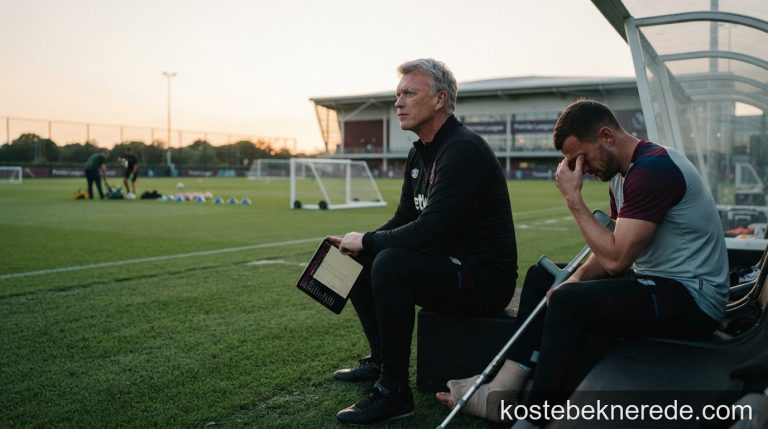
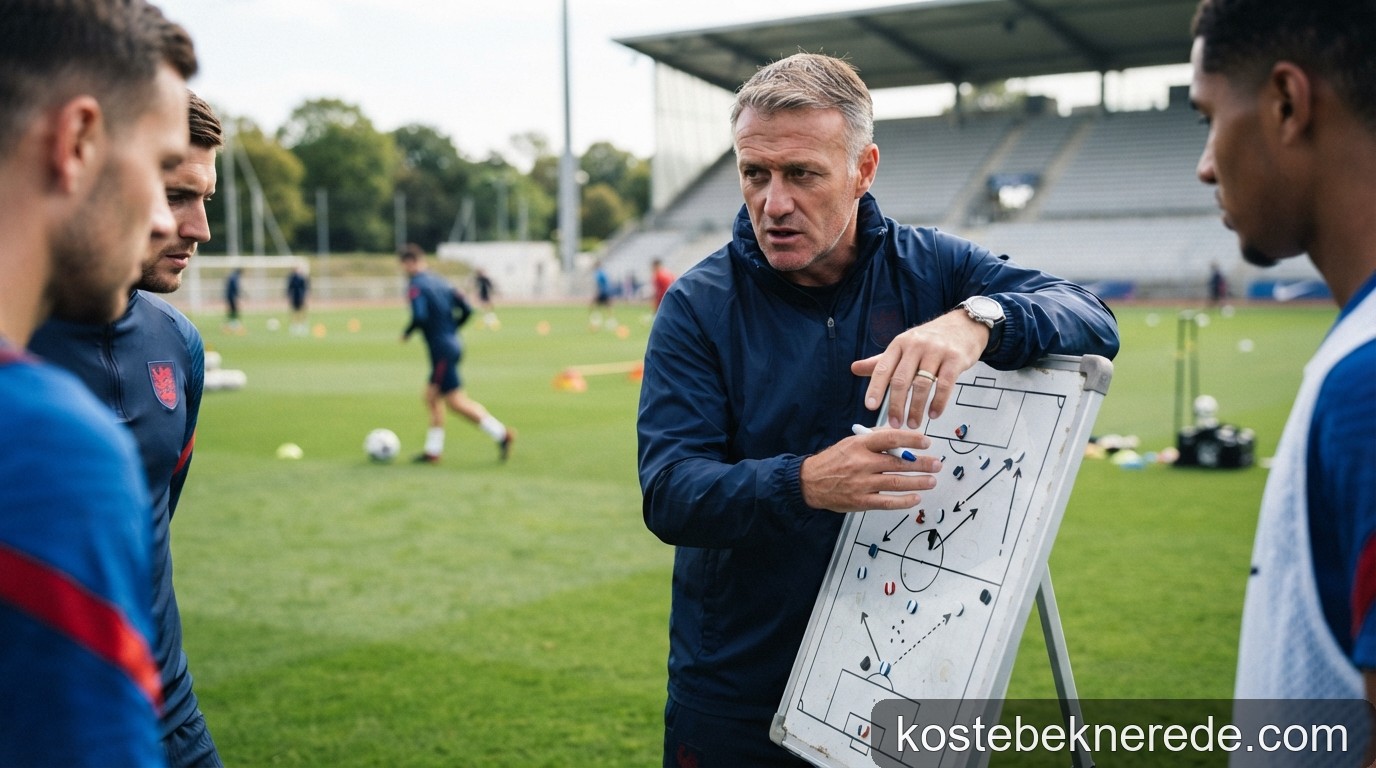
For Premier League and other major European clubs, this extended break means a significant pause in domestic fixtures. Teams on a strong run of form might find their momentum disrupted, while those struggling could use the time to regroup, integrate new signings, or address tactical issues. Managers will need to adapt their training schedules and tactical approaches to account for this three-week gap.
The absence of key international players for an extended period could also affect team chemistry and cohesion upon their return. Clubs with a higher number of international call-ups might be disproportionately affected, as they will have fewer first-team players available for training and tactical work during the break.
Player Welfare: A Double-Edged Sword?
FIFA’s stated objective for this change includes improving player welfare by reducing the overall number of international breaks. However, the concentration of up to four international matches into a 16-day period raises questions about player fatigue and injury risk. Players heavily involved in all four international fixtures could face increased physical demands, potentially leading to burnout or injuries upon their return to club duties.
Clubs often have limited control over how their players are managed during international duty, which can create conflicts between club and national team interests regarding player workload and recovery. This extended window will intensify the need for careful communication and collaboration between clubs and national federations to safeguard player health.
Opportunities for Clubs and National Teams
Despite the challenges, the extended break also presents unique opportunities. For national teams, a longer window allows for more comprehensive training camps, better tactical preparation, and potentially more meaningful international competitions. In Europe, the 2026-27 UEFA Nations League will utilize this period for its first four matchdays, while Concacaf’s Nations League group stage and the opening rounds of qualifying for the 2027 Africa Cup of Nations will also take place.
For clubs, the break offers a chance for non-international players to rest, recover, or engage in focused training. It could also be an ideal time for injured players to complete rehabilitation without missing crucial domestic fixtures. Furthermore, clubs can use this period to conduct mid-season reviews, refine strategies, and prepare for the demanding schedule that resumes after the international window.
What This Means for Football Fans
For football fans, the extended September international break means a longer pause in domestic league action. While this might be disappointing for those eager to follow their club teams, it also provides an intensified period of international football, with multiple competitive matches taking place across various confederations. Fans will need to adjust their viewing habits, shifting focus to national team competitions before club football resumes with renewed intensity in early October.
参考资料
- facebook.com
- beinsports.com
- flashscore.com
- probettinghub.com
- premierleague.com
- facebook.com
- manutd.com
- extratimetalk.com
- medium.com
- thehardtackle.com
About the Author